
The practice
Biodanza
A system of human development which brings together movement, music and the group — created in 1965 by Rolando Toro, practiced in some forty countries.
Biodanza promotes health improvement due to its pedagogy of well-being and improved living, both of which contribute to develop a reinforcement and renewal of motor and organic functions, as well as a rehabilitation of affectivity and the expression of identity.
Advantages and benefits of a regular practice
- Helps to regain and maintain a feeling of well-being
- Reinforces self-esteem and awakens the pleasure of moving
- Develops and stimulates joy, enthusiasm and creativity
- Promotes communication and expression
- Helps to reduce stress and anxiety
Who is Biodanza for?
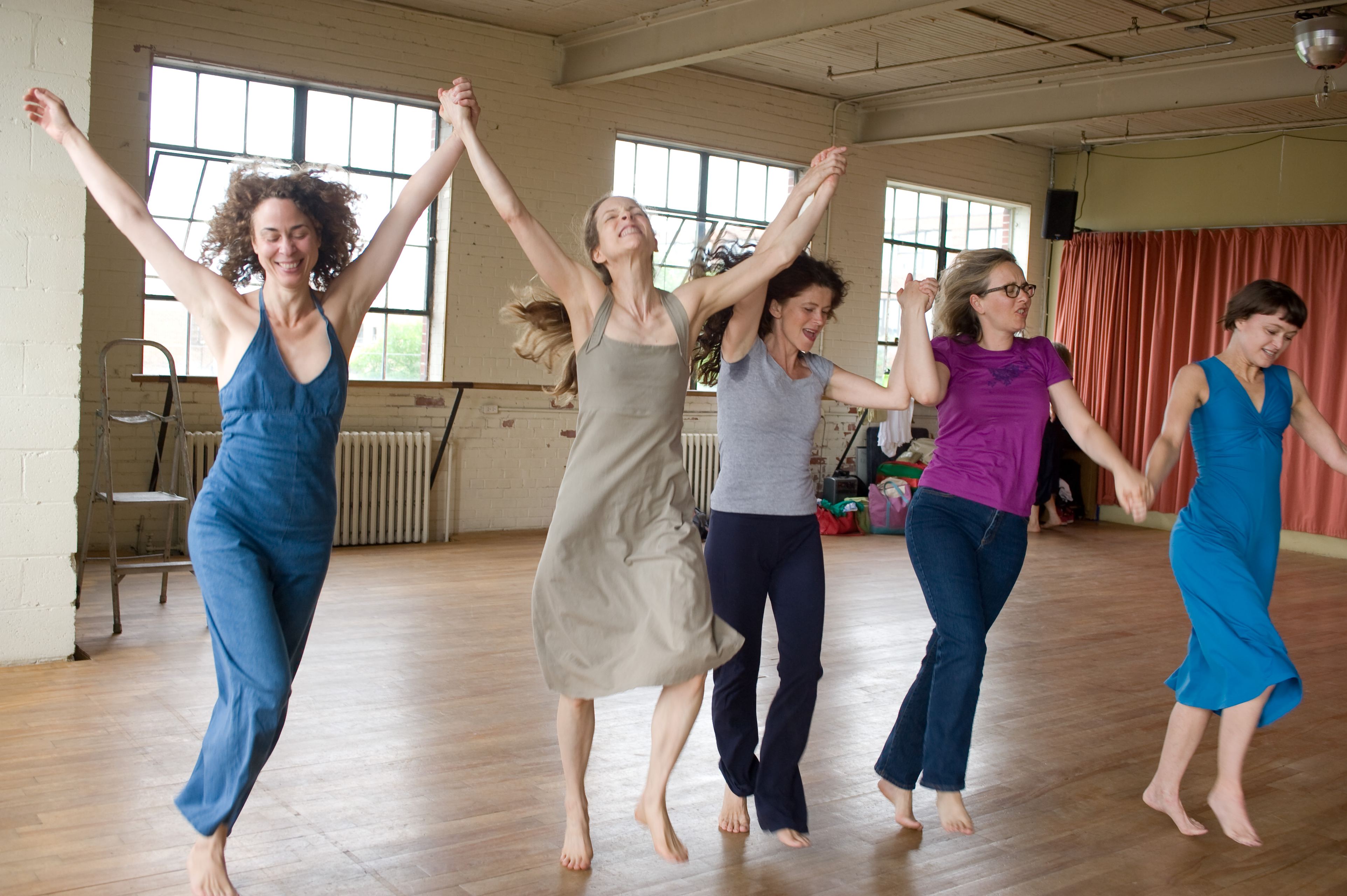
Biodanza is for anyone who wishes to bring more movement, vitality, connection and joy into their life.
It is practised at every age and in a wide range of settings. Adults, children, teenagers, elders and families can experience it, in groups adapted to their reality.
Today, Biodanza is offered around the world in regular groups, but also in schools, care and wellness settings, cultural centres, organizations and businesses.
How a class unfolds
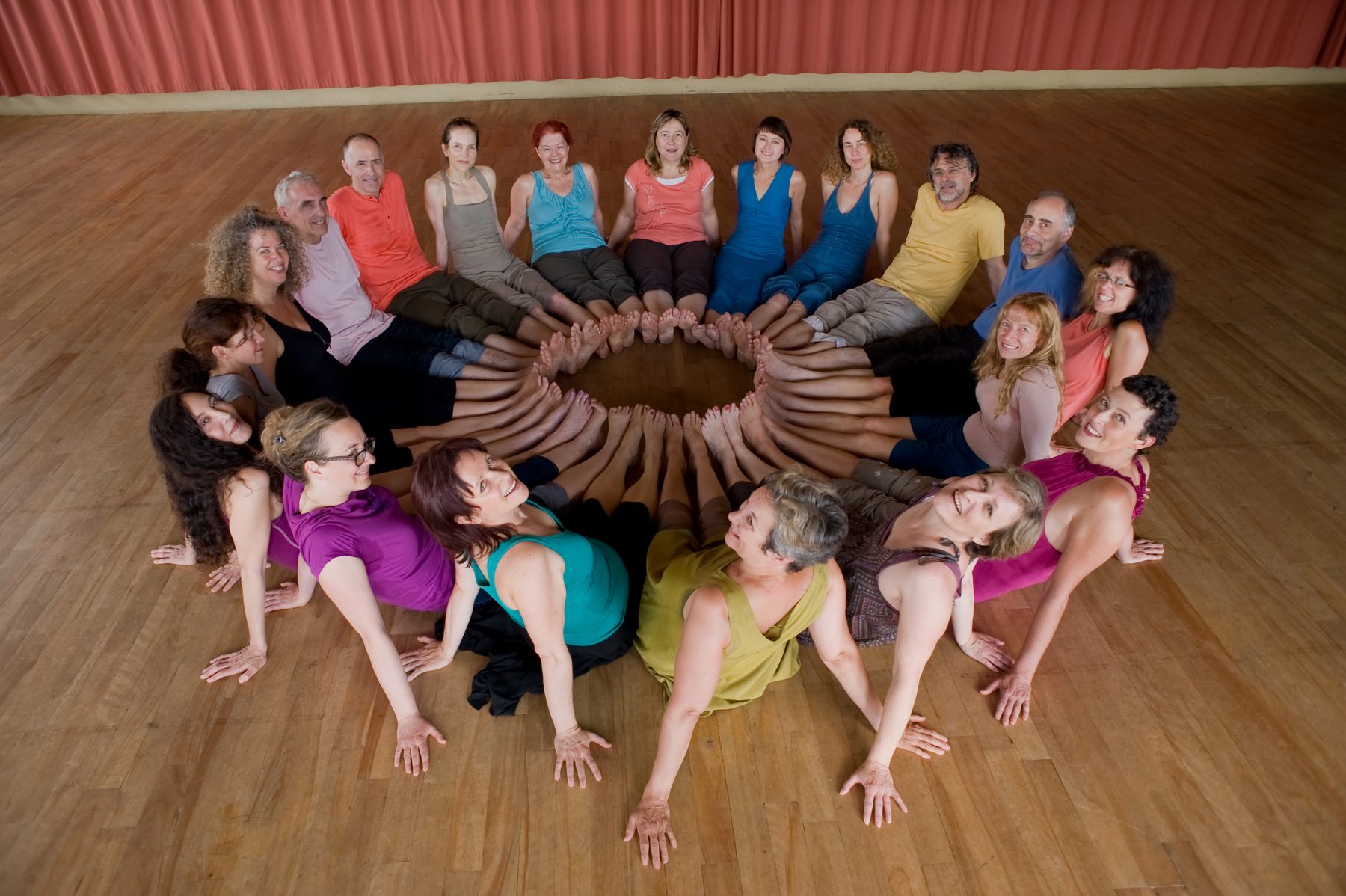
A Biodanza class is also called a «vivencia». At the beginning of the class, there is a brief theoretical presentation where the facilitator explains an aspect of Biodanza, after which the participants are invited to take part in a well thought out sequence of movements and dances accompanied by music. Each participant dances according to their own feeling and sensitivity to the music. Each class is made up of exercises done individually, in pairs and as a group.
Beyond the dance, a culture of the living
Biodanza belongs to a wider vision: the biocentric culture, whose principles are rooted in the laws of the living.
It invites us to step out of a vision where the human being is the centre of everything, and to recognize ourselves as part of a living, deeply interdependent whole. It places life at the heart of our choices, our relationships and our way of inhabiting the world.
Solidarity, empathy, inclusion, respect and cooperation are among its essential values.